Plaque psoriasis on the scalp can be discomforting and embarrassing. Discover effective treatments, lifestyle adjustments, and coping strategies to manage this skin condition efficiently.
Living with plaque psoriasis on the scalp can present unique challenges. This itchy and often inflamed skin condition can lead to discomfort, embarrassment, and frustration. Understanding the various treatments available, as well as how lifestyle changes can contribute to symptom relief, can empower individuals to take charge of their condition. In this article, we will explore effective topical treatments, the role of lifestyle changes, and emerging therapies. Furthermore, we’ll discuss coping strategies and support systems that can aid those affected by this chronic skin condition. What can be done to manage and improve symptoms? Which treatments are most effective? Let’s dive into these important questions.
Understanding plaque psoriasis on the scalp
Plaque psoriasis is a chronic autoimmune condition that leads to the rapid build-up of skin cells, resulting in thick, red patches covered with silvery-white scales. When this occurs on the scalp, it can trigger flaking, itching, and even hair loss in severe cases. Plaque psoriasis can affect individuals regardless of age, gender, or background and is often mistaken for typical dandruff or dry scalp. The exact cause of scalp psoriasis remains unknown, but genetics, an overactive immune response, and environmental factors play significant roles. Stress, injury to the skin, and certain medications can exacerbate the condition. For many, the psychological impact of visible scalp lesions can be profound, leading to lowered self-esteem and social withdrawal. Understanding the condition is an essential first step toward effective management.
Topical treatments for scalp psoriasis
Topical treatments are often the first line of defense against plaque psoriasis on the scalp. These can include corticosteroids, vitamin D analogs, coal tar, and retinoids. Corticosteroids are particularly effective as they reduce inflammation and itchiness. Prescription-strength options are available and may need to be applied directly to the affected areas. Vitamin D analogs, like calcipotriene, can slow down skin cell growth and help flatten plaques. Coal tar, a time-tested remedy, reduces scaling and often provides relief from itching. It can be found in shampoos or applied as a lotion. Lastly, retinoids can promote skin cell turnover and reduce plaque formation. Finding the right topical treatment often involves trial and error, and working closely with a healthcare professional is crucial. Over-the-counter products are also available, offering preliminary solutions for those with milder symptoms.
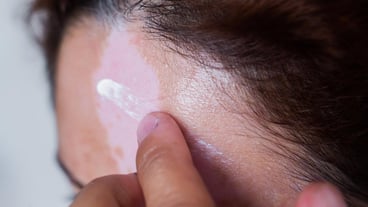 Effective treatments for plaque psoriasis on the scalp
Systemic treatments for persistent cases
For individuals with moderate to severe scalp psoriasis or cases that do not respond to topical treatments, systemic treatments may be necessary. This approach involves medications that affect the entire body rather than just the skin. Common options include biologics and traditional systemic therapies. Biologics, like adalimumab and ustekinumab, specifically target the immune response and have shown impressive results for many patients. They may take time to evaluate fully, given their targeted nature, but they often lead to significant improvement. Traditional systemic therapies like methotrexate or cyclosporine can also reduce inflammation and slow down the growth of skin cells. However, these treatments require close monitoring due to potential side effects. It’s essential to discuss these options with a dermatologist, who can determine the best course of action based on individual health profiles.
Lifestyle changes for managing symptoms
Implementing lifestyle changes can significantly contribute to managing plaque psoriasis on the scalp. Stress management is crucial, as stress can trigger flare-ups. Practices such as yoga, meditation, and regular exercise can help alleviate stress levels. Diet also plays a role in skin health. Incorporating anti-inflammatory foods like fruits, vegetables, fish rich in Omega-3 fatty acids, and whole grains may support skin condition. Staying hydrated is essential for overall skin health, too. Limiting alcohol consumption and quitting smoking can have profound effects on the severity and frequency of flare-ups. Additionally, establishing a regular cleansing routine that includes using gentle, sulfate-free shampoos can prevent irritation while removing scales without aggravating the scalp. These adjustments not only promote overall health but also help ease the symptoms of scalp psoriasis.
Coping strategies and support systems
Living with scalp psoriasis can bring emotional challenges along with the physical symptoms. Developing coping strategies and building a support system can be invaluable. Joining support groups—online or in-person—can help individuals connect with others who understand their situation. Sharing experiences and strategies can foster a sense of community and belonging. Therapy might also be beneficial for those struggling with self-esteem or anxiety related to their condition. Professional support can help manage the emotional toll and develop effective coping mechanisms. Additionally, educating friends and family about plaque psoriasis can create a more understanding environment. When loved ones recognize that it’s a chronic condition rather than just a cosmetic issue, it can significantly improve social interactions and support. Together, these approaches can enhance quality of life, reducing the isolation often felt by those with this skin condition.
Managing plaque psoriasis on the scalp involves a multifaceted approach. From recognizing the condition to utilizing topical and systemic treatments, understanding is key. Lifestyle changes can foster additional symptom relief while connecting with support systems offers emotional resilience. While there’s no cure for plaque psoriasis, these available treatments and strategies empower individuals. Integrated care—encompassing medical advice, lifestyle adaptations, and emotional support—enables those affected to manage their symptoms more effectively, leading healthier, happier lives.