Did you know that awnings can lower your energy bills and enhance your outdoor living space? Discover how these simple additions can elevate your home.
Awnings serve many practical purposes while also enhancing the aesthetics of your home or business. In this article, we will explore the various types of awnings, their benefits, how to choose the right one, installation tips, maintenance advice, and design ideas that elevate outdoor spaces. From protecting your windows and doors from the sun’s harsh rays to creating a cozy outdoor area for relaxation, awnings have something to offer for everyone. What exactly should you look for when choosing an awning, and what are your choices regarding materials and functions? We’ll answer these questions and more, providing you with a comprehensive understanding of awnings, so you can make an informed decision.
The benefits of installing an awning
Awnings provide a multitude of benefits that can enhance both residential and commercial spaces. First and foremost, they offer excellent sun protection. By blocking direct sunlight, awnings can help keep your indoor spaces cooler, which may contribute to lower energy bills. According to the U.S. Department of Energy, exterior shading devices like awnings can reduce solar heat gain by up to 77%.
Awnings also protect outdoor furniture, carpets, and flooring from fading. This can prolong the life of these items, saving you money in the long run. Additionally, they keep rain and snow away from doorways and windows, preventing water damage and reducing maintenance costs.
Moreover, awnings add a touch of elegance to your property. Available in a wide range of colors and styles, they can enhance curb appeal and create a welcoming atmosphere for guests. This can increase property value, making it an appealing investment for homeowners looking to sell in the future.
Types of awnings
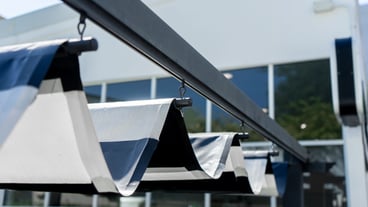
There are several types of awnings to consider, each serving distinct purposes. Retractable awnings are popular for their versatility. These can be extended or retracted depending on the weather, allowing you to enjoy the sun when you want and shade when you need it. They are commonly used in patios and decks.
Fixed awnings, on the other hand, provide a permanent solution. Often used over windows and doors, they offer constant protection and require minimal maintenance. They are available in a variety of materials, including fabric and metal, fitting seamlessly into different design aesthetics.
Another type worth mentioning is the window awning. These cover only the window area, reducing glare and adding a decorative touch. They can be appropriate for both residential and commercial buildings, enhancing energy efficiency and appeal. Additionally, some manufacturers offer customized awnings, tailoring size, shape, color, and material to meet specific requirements.
Choosing the right awning for your space
When selecting an awning, several factors come into play. Consider the size of the area you want to cover – this is crucial for determining the type and style of awning. For example, large spaces might benefit from retractable awnings, while smaller areas can be adequately served by fixed models.
Next, think about the materials. Fabric awnings are typically less expensive and can be colorful, but they may require more maintenance. On the other hand, metal awnings are durable and low-maintenance but might not offer the same aesthetic appeal.
Climate is another key consideration. If you live in a region that experiences heavy rain or wind, opting for sturdy materials like steel or aluminum might be wiser. Always check the manufacturer’s recommendations regarding specific materials and styles based on your local weather conditions.
Installation tips
Installing an awning can be a straightforward project, but it is essential to do it correctly for safety and durability. Whether you choose to do it yourself or hire a professional, consider these important tips. First, carefully measure the area to ensure that the awning fits correctly. A precise measurement will prevent awkward installation and potential problems later. Determine the optimal height for your awning. It should provide enough clearance for people and furniture but also effectively block sunlight. A general rule of thumb is to install awnings at least 7 feet above the ground. Additionally, consider the pitch of the awning; a slope can help with water runoff and prevent pooling. As a best practice, always refer to the manufacturer’s installation guide, as it contains specific instructions tailored to your awning’s design.
If you choose to hire a professional, verify that they have experience with awning installation. Ensure they are familiar with local building codes and regulations, which could impact the type of awning allowed in your area.
Maintaining your awning
Maintenance is vital to prolonging the life of your awning. Regular cleaning helps prevent mold, mildew, and dirt buildup, which can wear down materials over time. Most fabric awnings can be cleaned with lukewarm water and mild soap. Using a soft brush can be effective, but avoid harsh chemicals as they may damage the fabric.
Additionally, regular inspections are important. Check for signs of wear and tear, and make necessary repairs promptly. If you’ve installed a retractable awning, ensure that the mechanical components are working well and lubricate them as recommended by the manufacturer.
Seasons may dictate different types of maintenance. In autumn, it is crucial to clear away fallen leaves, especially for retractable models, to avoid jams and malfunctions during the winter months. Protecting your awning during extreme weather can significantly minimize damage, so consider retracting whenever strong winds or heavy snow is forecasted.