The design of your outdoor space can greatly impact its overall aesthetic and functionality. From a well-manicured lawn to a beautiful garden to a functional patio, landscape design plays a crucial role in creating an inviting and harmonious outdoor space….
…In this article, we will explore the basics of landscape design and how it can help you create the perfect outdoor oasis.
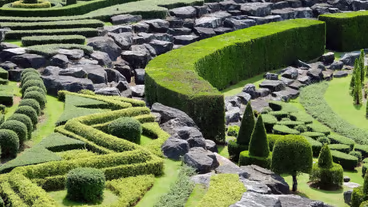
What is Landscape Design?
Landscape design is the art and science of planning and arranging the features of a outdoor space for aesthetic and practical purposes. It involves the use of hardscaping (such as walkways and patios) and softscaping (such as plants and trees) to create a cohesive and visually appealing outdoor environment. A well-designed landscape not only enhances the beauty of your outdoor space but also adds value to your property.
The Importance of Landscape Design
Proper landscape design is essential for various reasons:
- Visual appeal: A well-designed landscape can greatly enhance the curb appeal of your property, making it more attractive to visitors and potential buyers.
- Functionality: An expertly designed landscape can maximize the use of your outdoor space, creating separate areas for relaxation, entertainment, or play.
- Environmental benefits: Strategically placed trees and plants can provide shade, reduce erosion, and improve air quality.
- Increased property value: A beautiful and functional landscape can increase the value of your property, making it a worthwhile investment.
Elements of Landscape Design
There are several key elements to consider when designing your outdoor space:
- Hardscaping: This refers to non-living elements such as walkways, patios, retaining walls, and decorative features like fountains or fire pits.
- Softscaping: This involves the use of living elements like plants, trees, and shrubs to add texture, color, and depth to your outdoor space.
- Balance: A well-designed landscape should have a balance between hardscaping and softscaping to create a harmonious and cohesive look.
- Unity: The overall design of your landscape should have a sense of unity and flow, with each element complementing one another.
- Focal points: A focal point can be a stunning garden, a beautiful tree, or a decorative feature that draws the eye and adds interest to your landscape.
The Design Process
Designing your landscape involves a series of steps to ensure an effective and cohesive end result:
- Site analysis: This involves assessing your outdoor space, including its topography, soil conditions, and existing features. It will help determine the best layout for your landscape.
- Conceptual design: This is the initial design stage, where you create a rough sketch of your outdoor space, taking into account the elements mentioned above.
- Master plan: Once the conceptual design is finalized, a more detailed master plan is created, including specific plant selections and hardscape materials.
- Execution: With the master plan in place, it’s time to bring your landscape design to life. This involves installing hardscaping, softscaping, and any other features like lighting or irrigation.
- Maintenance: Regular maintenance is crucial to keep your landscape looking its best. This includes tasks like mowing, weeding, pruning, and fertilizing.
Common Landscape Design Styles
There are various landscape design styles to choose from, each with its own unique characteristics. Some popular styles include:
- Formal: This style is characterized by symmetrical and geometric patterns, with a focus on clean, crisp lines and manicured hedges.
- Informal: As the name suggests, this style is more relaxed and natural, with less emphasis on symmetry and more focus on natural elements like plants, rocks, and water features.
- Contemporary: This style is minimalistic and emphasizes the use of modern materials like concrete, steel, and glass to create sleek and clean lines.
- English Cottage: This charming style features a mix of hardscaping and softscaping, with an emphasis on colorful flowers and a cozy, cottage-like feel.
Tips for Designing Your Landscape
Here are a few tips to keep in mind when designing your landscape:
- Consider the climate and weather conditions in your area when selecting plants.
- Create a focal point to add interest and draw the eye.
- Incorporate a variety of textures and colors for a visually appealing landscape.
- Choose low-maintenance plants and materials to make upkeep easier.
- Incorporate lighting to highlight focal points and add ambiance to your outdoor space.
In Conclusion
Landscape design is a key aspect of creating a functional, beautiful, and valuable outdoor space. From choosing the right elements and layout to regular maintenance, proper landscape design requires careful planning and execution. By following the tips and guidelines mentioned in this article, you can create a stunning outdoor oasis that will enhance your lifestyle and property for years to come.